Analysis of sref Style Features
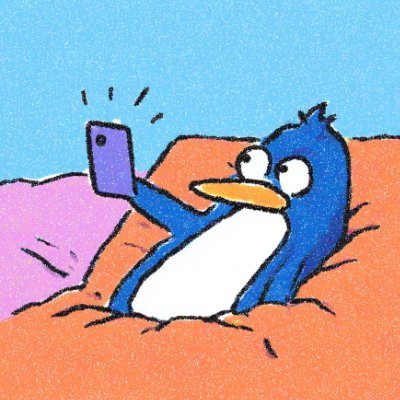
This SREF style presents an extremely distinct Retro Noise Illustration aesthetic, cleverly blending the texture of Risograph printing with the innocent visual language of Children's Book Illustration.
From an art movement perspective, it inherits the bold use of color from Pop Art, employing high-saturation hues with a slight retro filter (such as cyan, orange-red, and bright yellow). It also draws on the composition methods of Minimalism, removing superfluous background distractions to focus on the subject expression. This style easily brings to mind the works of contemporary illustrator Ryo Takemasa, or classic advertising poster designs from the 50s and 60s, both of which emphasize this "imperfect perfection"—conveying warmth through simulated paper textures and color misalignment.
Its core visual feature lies in the strong grainy texture. This style does not pursue the smoothness and sleekness generated by computers but deliberately mimics the printing effects on crayons, pastels, or rough paper. This "analog signal" texture gives the image an airy feel and tactile warmth. The reason it leaves a deep impression is that it breaks the "plastic feel" and "over-rendering" common in AI-generated images, evoking subconscious nostalgia and childhood memories in the audience with an intimate, almost handmade feel.
What is Retro Noise Crayon Style
Retro Noise Crayon Style refers to a digital art style that simulates the effect of traditional dry painting media (such as crayons, colored pencils, charcoal) on rough paper. Under the influence of this SREF code, images no longer pursue photographic realism or fine CG lighting but turn towards a combination of Flat Design and Texture.
The key to this style is that "noise" is not a flaw, but the soul. It builds volume and light changes through high-density granular textures. Edges are often handled softly or even slightly frayed, simulating ink bleeding into paper or crayon smears. Colors usually employ a Limited Palette, mimicking the color overlay effects of old-fashioned printing processes. In short, this is an art style that gives digital images a physical touch and a retro soul.
Use Cases for Retro Noise Crayon Style
Due to its strong narrative quality and affinity, this style is particularly suitable for the following creative scenarios and application fields:
- Indie Game Art: This style is perfect for relaxing, healing, or puzzle indie games, creating a unique immersive hand-drawn world.
- Editorial Illustration: Suitable for lifestyle, tech reviews, or cultural articles, conveying complex concepts in an abstract and interesting way without being as rigid as photos.
- Branding & Packaging: Especially for products targeting younger groups or focusing on "handmade," "organic," or "nostalgic" concepts (such as craft beer labels, coffee bean packaging, cultural merchandise).
- Children's Books & Educational Materials: Due to its crayon-like texture, it fits children's aesthetic habits very well and can bridge the distance with young readers.
- lo-fi Music Covers & Posters: This visual style perfectly matches the atmosphere of music genres like Lo-fi and Chillhop, making it suitable for album covers or event posters.
Retro Noise Crayon Style Prompt Inspiration
Here are some prompt inspirations that can be used with this SREF style, designed to spark this retro and childlike imagery:
- Scene 1: A retro robot watering plants in a greenhouse, simple shapes, grainy texture, crayon style --ar 3:4
- Scene 2: A giant cat sleeping on top of a small city bus, whimsical, flat illustration, risograph print style, noise texture --ar 3:4
- Scene 3: A slice of life, a cluttered desk with a vintage computer and a cup of coffee, cozy atmosphere, textured shading --ar 3:4
- Scene 4: An astronaut fishing on a cloud, surrealistic but cute, vibrant colors, noise overlay, hand-drawn aesthetic --ar 3:4
I hope these inspirations help you start your creative journey. If you want to explore more advanced techniques, consider upgrading to a website membership to unlock all prompts on the site and get more exclusive artistic recipes.